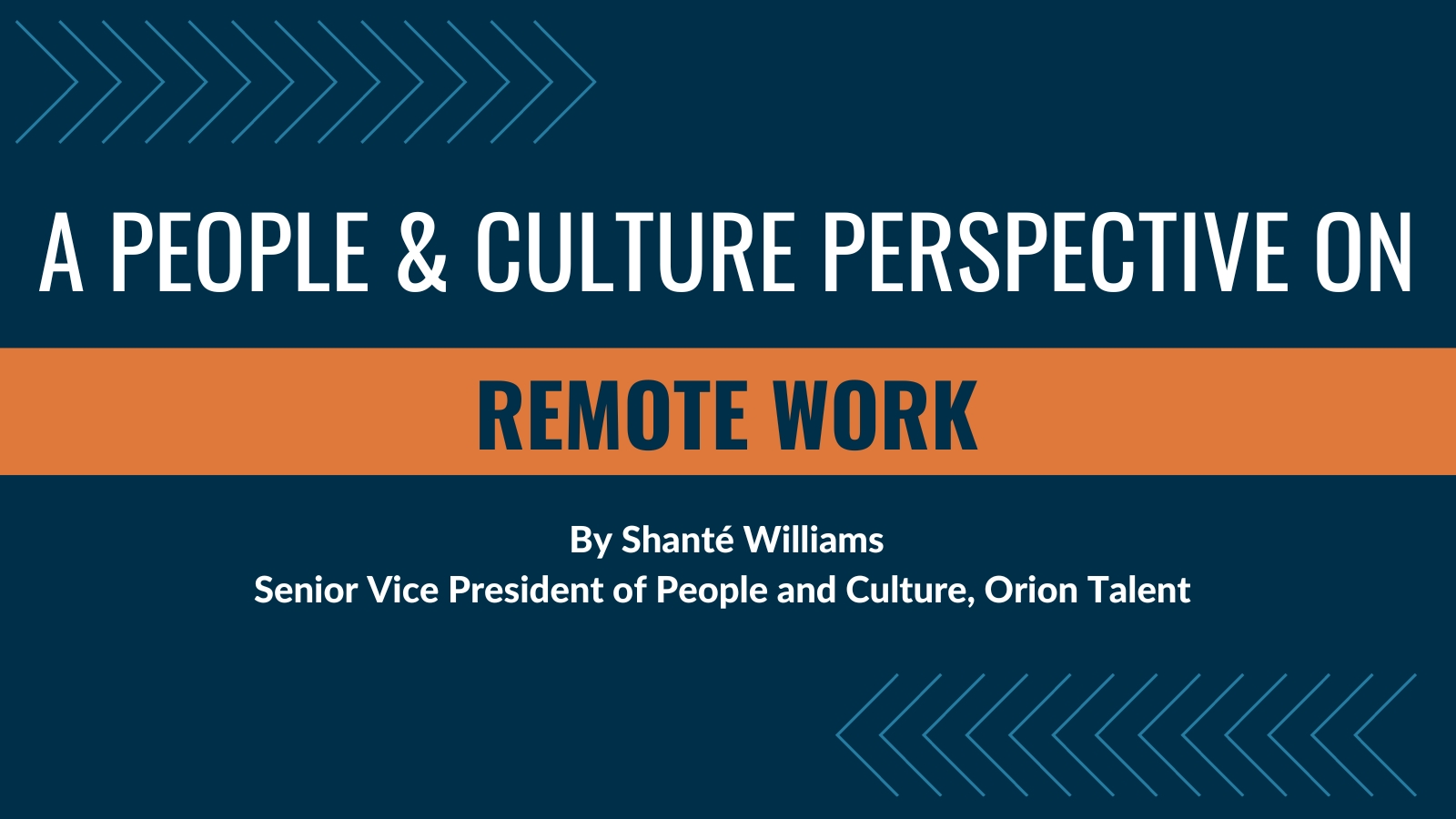
A People & Culture Perspective on Remote Work
Despite recent return-to-the-office initiatives, remote work is here to stay. Pre-pandemic work arrangements didn’t work for everyone and companies that try to recreate that workplace will be left behind when it comes to attracting and retaining the best talent.
.jpg)
The Great Reflection- Seeking Personal Value and Purpose at Work
Today’s talent seeks more than a paycheck- they desire a company whose values mirror their own and work that provides them with a sense of purpose.
.jpg)
Being Human in an AI Era
What does it mean to be a human at work? What makes our lives and work products unique from that of an AI bot, especially for those of us who use it to do our jobs? What does the AI revolution mean for us as business leaders?

What is Impact Sourcing?
In April, Orion Talent joined Everest Group’s Impact Sourcing Pledge, furthering our commitment to helping businesses hire, train, and retain a more stable workforce by hiring traditionally marginalized workers including women, young people, and economically and socially disadvantaged individuals.
.jpg)
Voices at the Table- Careers in STEM at Chemours
In Episode 12 of #PeoplewithPurpose, host Steve Amsden sits down with Rosalie (Rose) Becsey, Plant Manager; Jasmine Smith, Key Account Consultant; and Amber Wellman, Director, Sustainability, to discuss their passions for science, career paths, and advice for women and diverse talent considering a career in science, technology, engineering, and mathematics (STEM).
.jpg)
6 Strategies for Engaging and Motivating Early Career Talent
Here are some strategies for engaging with early-career talent and keeping them motivated as employees.
.jpg)
Employ Our Veterans!
Orion Talent was honored to send Laura Schmiegel, Senior Vice President, Strategic Partnerships, to April’s Employing U.S. Vets Conference in New York to discuss best practices and challenges to veteran employment.
.jpg)
Reflections on Virtual Leadership
For many of us, we have no other option. Remote is our reality. We must figure this out. Because the economy keeps waffling, Tax Day keeps coming, and our employees are the ones who will carry the bulk of the load. So how do we lead them?
.jpg)
#PeoplewithPurpose Recap- Staying Curious: Continuous Advancement with Mammotome
#PeoplewithPurpose Podcast host Steve Amsden sits down with Ben Sandefur, VP of Marketing & Business Development, Suzanne Smith, VP of Sales, and Ed Aguilar, Senior Director of Strategic Accounts & Latin America, to discuss Mammotome’s culture of continuous advancement and innovation through talent and team development, career pathing, and a focus on diverse talent, including veterans.
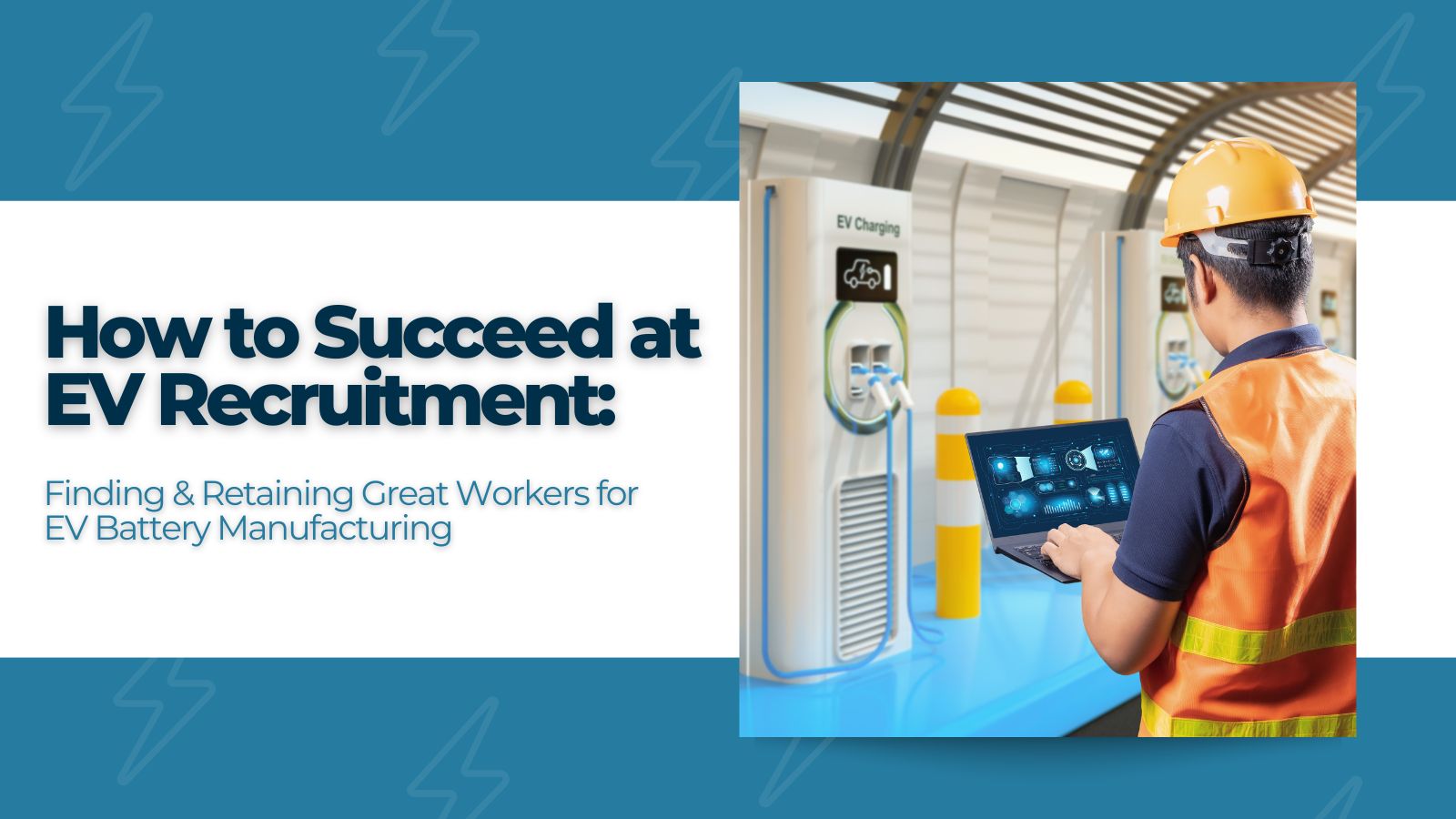
How to Succeed at EV Recruitment: Finding & Retaining Great Workers for EV Battery Manufacturing
In the world of EV battery manufacturing, talent is scarce and the landscape is competitive. Here’s how to stand out and attract – and retain – the very best talent.
Archives
- July 2025
- June 2025
- May 2025
- April 2025
- March 2025
- February 2025
- October 2024
- May 2024
- March 2024
- February 2024
- January 2024
- December 2023
- November 2023
- October 2023
- September 2023
- August 2023
- July 2023
- June 2023
- May 2023
- April 2023
- March 2023
- February 2023
- January 2023
- December 2022
- November 2022
- October 2022
- September 2022
- August 2022
- July 2022
- June 2022
- May 2022
- April 2022
- March 2022
- February 2022
- January 2022
- December 2021
- November 2021
- October 2021
- September 2021
- August 2021
- July 2021
- June 2021
- May 2021
- April 2021
- March 2021
- February 2021
- January 2021
- December 2020
- November 2020
- October 2020
- September 2020
- August 2020
- July 2020
- June 2020
- May 2020
- April 2020
- March 2020
- February 2020
- January 2020
- December 2019
- November 2019
- October 2019
- September 2019
- August 2019
- July 2019
- June 2019
- May 2019
- April 2019
- March 2019
- February 2019
- January 2019
- December 2018
- November 2018
- October 2018
- September 2018
- August 2018
- July 2018
- June 2018
- May 2018
- April 2018
- March 2018
- February 2018
- January 2018
- December 2017
- November 2017
- October 2017
- September 2017
- August 2017
- July 2017
- June 2017
- May 2017
- March 2017
- February 2017
- January 2017
 RSS Feed