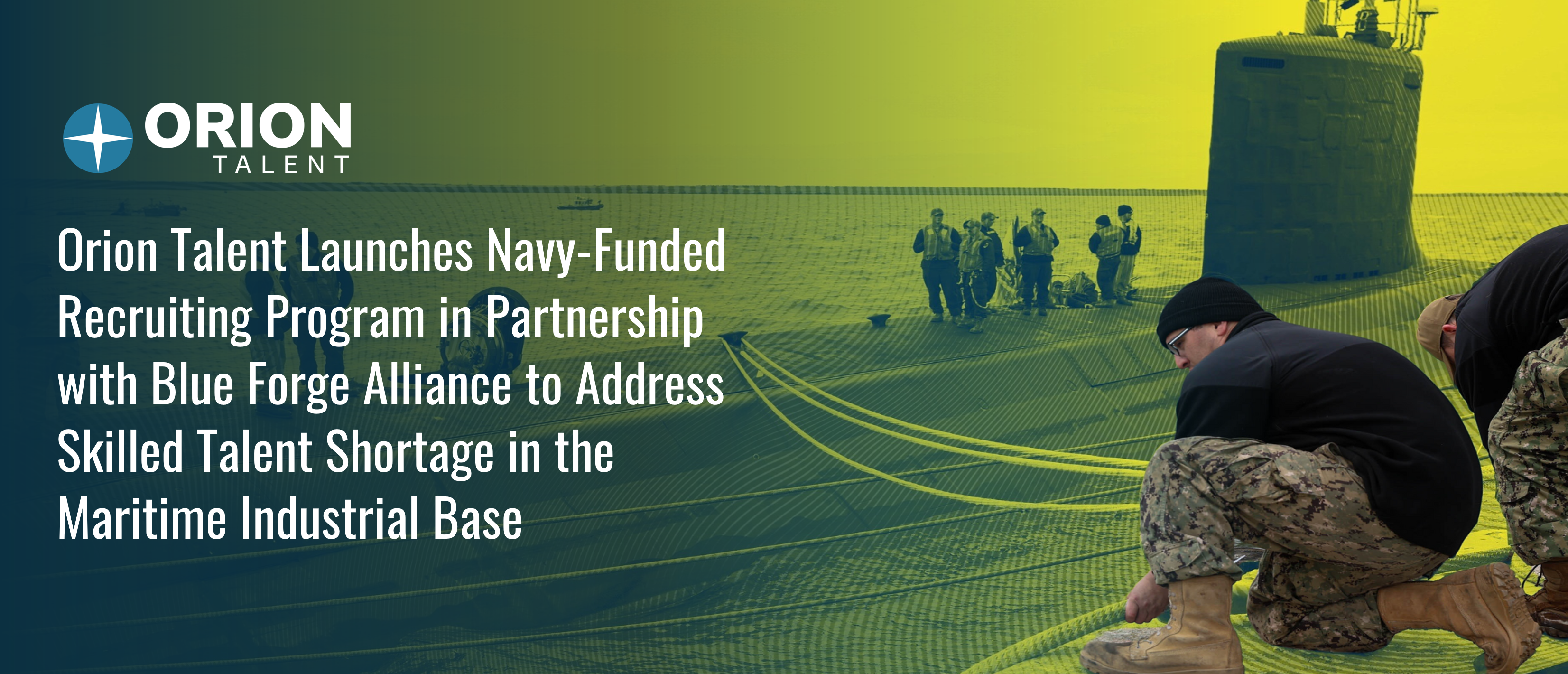
Orion Talent Launches Navy-Funded Recruiting Program in Partnership with Blue Forge Alliance to Address Skilled Talent Shortage in the Maritime Industrial Base
The maritime industrial base is facing a significant workforce challenge, with a growing shortage of skilled talent impacting suppliers and their ability to meet critical demands.
The 4+1 Commitment: Formula for Military Spouse Success
Orion Talent is proud to announce its support for this initiative, reinforcing its commitment to creating meaningful career opportunities and resources for military spouses. By joining the 4+1 Commitment, Orion Talent is not only supporting military families but also benefiting from the resilience and skills these individuals bring to the workforce.

The Manufacturing Supercycle Explained: 5 Essential Takeaways
The manufacturing industry is on the verge of a transformative period known as a manufacturing supercycle. This phase is marked by prolonged economic growth and heightened demand for commodities, driven by several key factors.
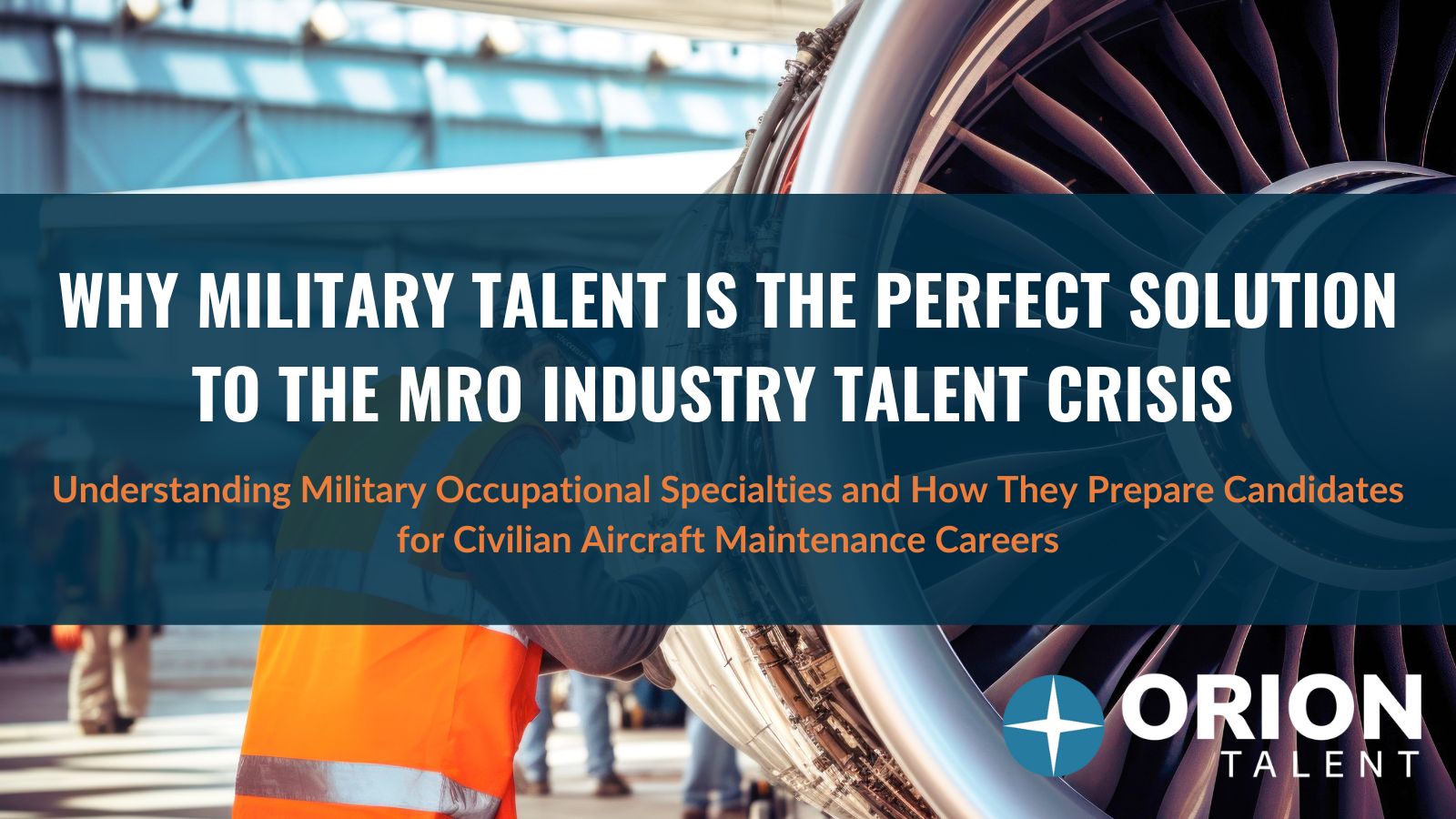
Why Military Talent is the Perfect Solution to the MRO Industry Talent Crisis: Understanding Military Occupational Specialties and How They Prepare Candidates for Civilian Aircraft Maintenance Careers
According to a recent article by MRO Business Today, the MRO industry forecast for 2024 is bright. Aircraft Maintenance Technicians play a vital role in keeping the fleet safe and ready for flight, and the industry’s skilled labor shortage presents a serious challenge to this projected growth. Military talent is the perfect solution to the MRO Industry talent crisis, and Orion Talent is proud to help bridge the gap between military and civilian MRO careers.
Introducing Orion Talent’s New Military Hiring Solution for the Aviation MRO Industry
The Aircraft Maintenance, Repair, and Overhaul (MRO) sector is currently riding a wave of significant growth, with projections indicating a thriving future. However, a critical talent shortage threatens to disrupt this trajectory. Orion Talent’s Military Hiring Solutions for the Aviation MRO Industry bridges the gap between military experience and FAA certification, leading to a civilian career in the MRO industry.
Solving the Manufacturing Skills Gap
Manufacturers are feeling a mixture of confidence and caution about the year ahead. An improved supply chain and resilient economy are counterbalanced by ongoing labor shortages, high interest rates and inflation, and economic fluctuations. Workforce recruitment remains a top issue facing America’s manufacturers. Here's what you need to know as you prepare to meet demand in the manufacturing industry.
New Partnership Alert! Orion Talent’s Innovative Solution to Closing the Manufacturing Skills Gap
Orion Talent has partnered with Tooling U-SME, a leader in manufacturing training and workforce development, to create a new solution to the manufacturing talent shortage. During their final months of active duty service, transitioning service members are eligible to earn certification in Robotics in Manufacturing Fundamentals (RFM), as a Certified Manufacturing Associate (CMfgA), or in Electric Vehicles Fundamentals (EVF).
.jpg)
Moving Beyond the Horizon – Careers in Rail & Transportation for Women at Siemens Mobility
Siemens Mobility, a leader in transport solutions, is transforming the future of transportation through Rail, Road, and Intermodal solutions. With a global team of 39,600 employees committed to creating seamless, sustainable, reliable, and secure transport solutions, Siemens Mobility is making waves in the industry. Meet four talented Siemens Mobility team members on Episode 13 of the #PeoplewithPurpose podcast, and gain insight into why women should consider building a career in the transportation and rail industry.
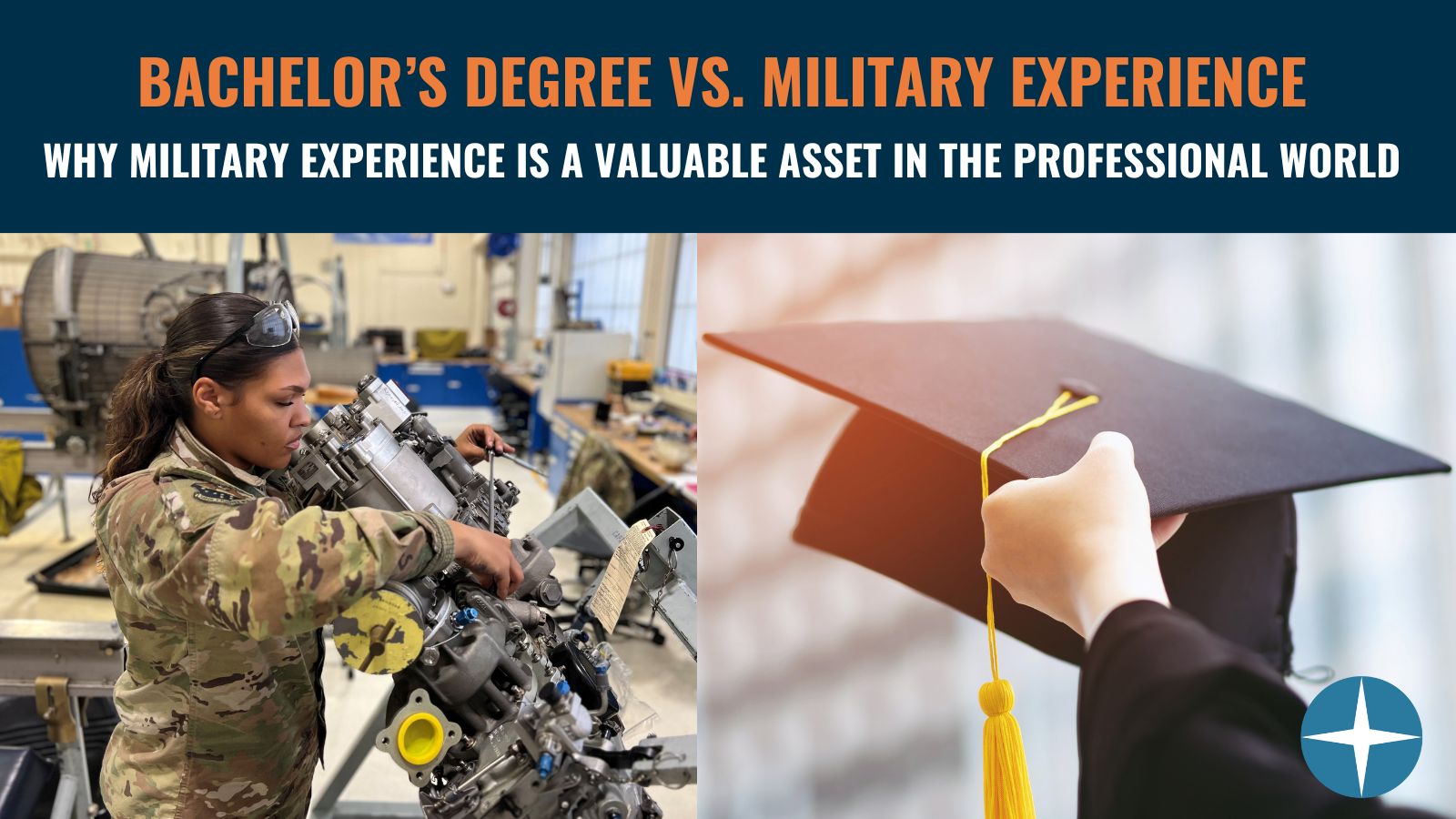
Bachelor’s Degree vs. Military Experience - Why Military Experience is a Valuable Asset in the Professional World
This post explores the valuable qualities military veterans bring to the table and why their experiences can be on par with, if not surpass, the benefits of a bachelor's degree.
5 Simple Ways Leaders Can Start the New Year Strong After the Holidays
As we stand at the threshold of a new year, it’s a great time for leaders to evaluate and fine-tune their goals. Now is the moment to make a strong start with our teams after the successes and challenges of the previous year. Here are 5 simple ways leaders can start the New Year strong after the holidays.
Archives
- July 2025
- June 2025
- May 2025
- April 2025
- March 2025
- February 2025
- October 2024
- May 2024
- March 2024
- February 2024
- January 2024
- December 2023
- November 2023
- October 2023
- September 2023
- August 2023
- July 2023
- June 2023
- May 2023
- April 2023
- March 2023
- February 2023
- January 2023
- December 2022
- November 2022
- October 2022
- September 2022
- August 2022
- July 2022
- June 2022
- May 2022
- April 2022
- March 2022
- February 2022
- January 2022
- December 2021
- November 2021
- October 2021
- September 2021
- August 2021
- July 2021
- June 2021
- May 2021
- April 2021
- March 2021
- February 2021
- January 2021
- December 2020
- November 2020
- October 2020
- September 2020
- August 2020
- July 2020
- June 2020
- May 2020
- April 2020
- March 2020
- February 2020
- January 2020
- December 2019
- November 2019
- October 2019
- September 2019
- August 2019
- July 2019
- June 2019
- May 2019
- April 2019
- March 2019
- February 2019
- January 2019
- December 2018
- November 2018
- October 2018
- September 2018
- August 2018
- July 2018
- June 2018
- May 2018
- April 2018
- March 2018
- February 2018
- January 2018
- December 2017
- November 2017
- October 2017
- September 2017
- August 2017
- July 2017
- June 2017
- May 2017
- March 2017
- February 2017
- January 2017
 RSS Feed