From AI Adoption to AI Advantage
Adopting AI is becoming easier. New capabilities are appearing in existing recruiting platforms, while standalone tools can be tested quickly. Teams can begin generating content, automating tasks, identifying candidates, or analyzing data with little effort.
Building an AI Strategy for Your TA Team
AI is already entering talent acquisition through recruiting platforms, productivity tools, and individual experimentation. Adoption is happening now, one feature and use case at a time.
Not All AI Recruiting Technology Is Created Equal
Artificial intelligence has become part of nearly every recruiting technology conversation. Vendors promise faster sourcing, better matches, personalized outreach, and stronger analytics. These capabilities may be valuable, but a compelling demonstration does not guarantee meaningful results.
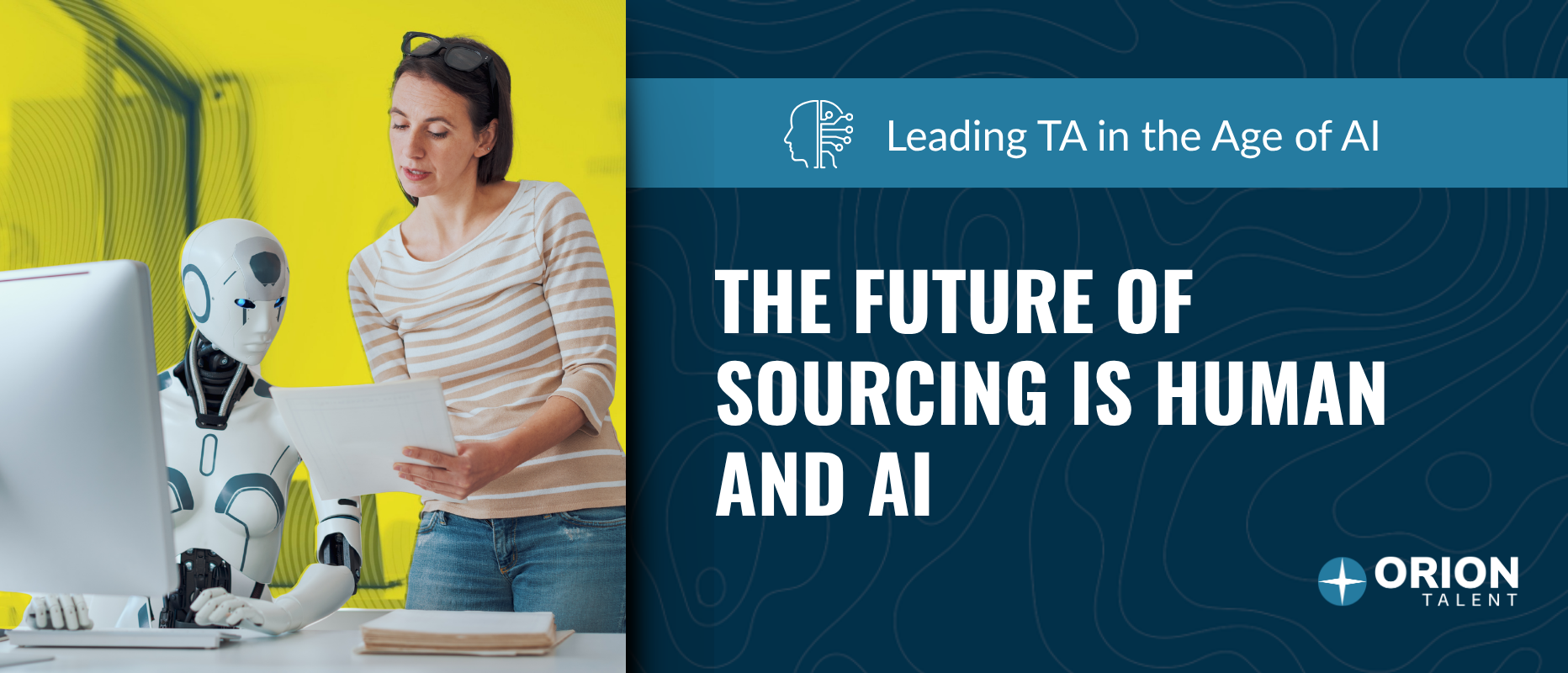
The Future of Sourcing Is Human and AI
Talent sourcing has long depended on titles, keywords, locations, and industry experience. Those filters can narrow a large market, but they can also reinforce familiar patterns and overlook qualified people.
AI Governance is a Talent Acquisition Imperative
Artificial intelligence is moving into nearly every stage of talent acquisition, from sourcing and screening to candidate communication and performance analysis. But the more influence AI has on hiring, the more important it becomes to define how that technology should be used.
AI Will Elevate the Best Recruiters
The conversation about artificial intelligence in recruiting often begins with efficiency. AI can help draft outreach, summarize candidate information, coordinate schedules, surface potential matches, and reduce the administrative work that consumes so much of a recruiter’s day.
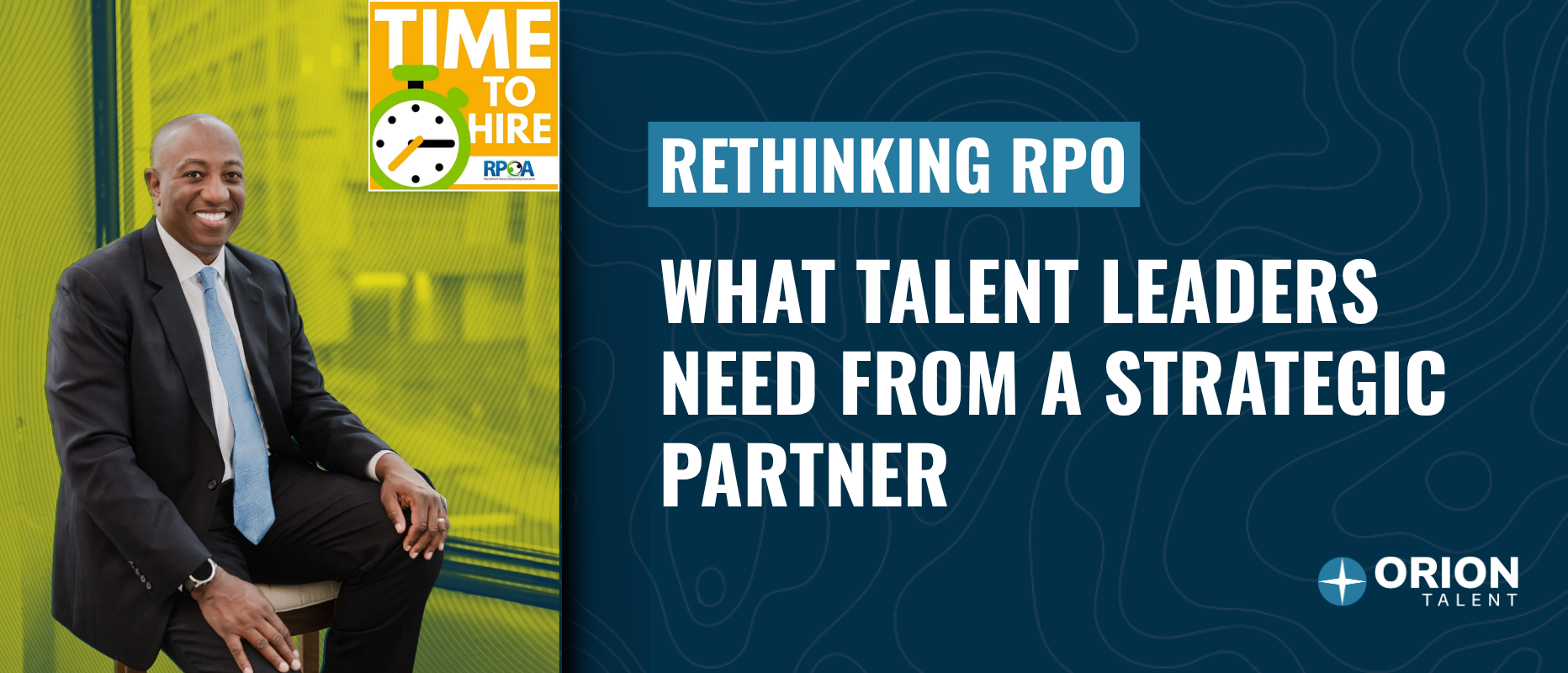
Rethinking RPO: What Talent Leaders Need from a Strategic Partner
Recruitment Process Outsourcing has traditionally been evaluated through a familiar set of measures: cost, speed and quality. Over time, scalability became another important part of the value proposition. Those capabilities still matter. But the challenges facing talent acquisition leaders have become broader and more complex.
.png)
A Labor Day Reflection on America's Changing Workforce
Labor Day offers an opportunity to recognize the contributions American workers have made to our country’s strength, prosperity and progress.
Unlocking Military Talent: A Skills-Based Approach to Building Stronger Workforces
Employers across industries continue to struggle with persistent skills gaps that threaten growth across America’s critical industries.
.png)
Building Career Pathways for the Next Generation Workforce
For many organizations, workforce planning has traditionally centered on a relatively straightforward question: Where will we find the people we need?
Archives
- October 2026
- September 2026
- August 2026
- July 2026
- June 2026
- May 2026
- April 2026
- March 2026
- February 2026
- January 2026
- December 2025
- November 2025
- October 2025
- September 2025
- August 2025
- July 2025
- June 2025
- May 2025
- April 2025
- March 2025
- February 2025
- October 2024
- May 2024
- March 2024
- February 2024
- January 2024
- December 2023
- November 2023
- October 2023
- September 2023
- August 2023
- July 2023
- June 2023
- May 2023
- April 2023
- March 2023
- February 2023
- January 2023
 RSS Feed