
Veterans, You Have So Much to Offer: Everything You Need to Know About the 2023 Veteran Opportunity Report
LinkedIn recently released its 2023 Veteran Opportunity Report and it’s a must-read. Transitioning from the military to the civilian workforce can be challenging, and preparing for potential hurdles will help you set yourself up for success. Here are a few things you should know.
.jpg)
The Hershey Company’s Delicious Reinvention: Hershey Becomes a Leading Snacking Powerhouse and Top Diversity Employer of Choice
In a strategic move that blends tradition with innovation, Hershey, a legacy chocolate company with a remarkable 130-year history, has ventured beyond its cocoa-rich comfort zone into the realm of salty snacks.
.jpg)
Veteran Success Story: An Air Force Veteran’s Journey to Leadership at UPS
UPS' Veteran Talent Acquisition Strategy Manager Lloyd Knight spoke with Orion Talent about how his military background contributed to his success at UPS and offered encouragement for transitioning service members considering what’s next for them.
.jpg)
Ghosting is Scary. Don't Do It
A chilling trend lurks in the shadows: ghosting. This spectral disappearance of candidates during the hiring process is a widespread phenomenon. In this seasonally spooky blog post, we'll unravel the mystery of job seeker ghosting, explore the reasons behind it, and discuss why maintaining open communication throughout the job-hunting process is not just a courtesy but a smart career move.

Stories of Survival with Mammotome
In honor of Breast Cancer Awareness Month, two Mammotome associates share their personal breast cancer journeys and what it means to work in the breast care industry.
.jpg)
Community, Connection & Comradery: Henkel’s Military / Veterans ERG Provides a Place to Connect
Henkel North America’s Military / Veterans ERG does a great job creating community. Whether you’re a business leader seeking inspiration to build a Military ERG within your organization, or you’re a military veteran or advocate who seeks connection, Henkel’s ERG journey and the significance of its mission will inspire you.

Building Careers That Last at Tenneco
In Spring 2023, Orion Talent partner Tenneco launched new core values in order to embody how their team works and to better enable the company to fulfill its purpose- To be the world’s most trusted partner, and best manufacturer in the automotive industry.

7 Careers to Consider in Solar Power
If you’re considering a new career path, the solar power industry should be on your radar. Not only is there exponential growth potential, but the pay is decent too. In addition, you’ll be making a positive impact on the planet.

7 Surprising Things You May Not Know About the Manufacturing Industry
When one thinks of the manufacturing industry, images of assembly lines and hard hats may come to mind. However, there's more to this industry than meets the eye. From its profound economic impact to the innovations transforming the industry, the manufacturing sector is a dynamic force driving our world forward.
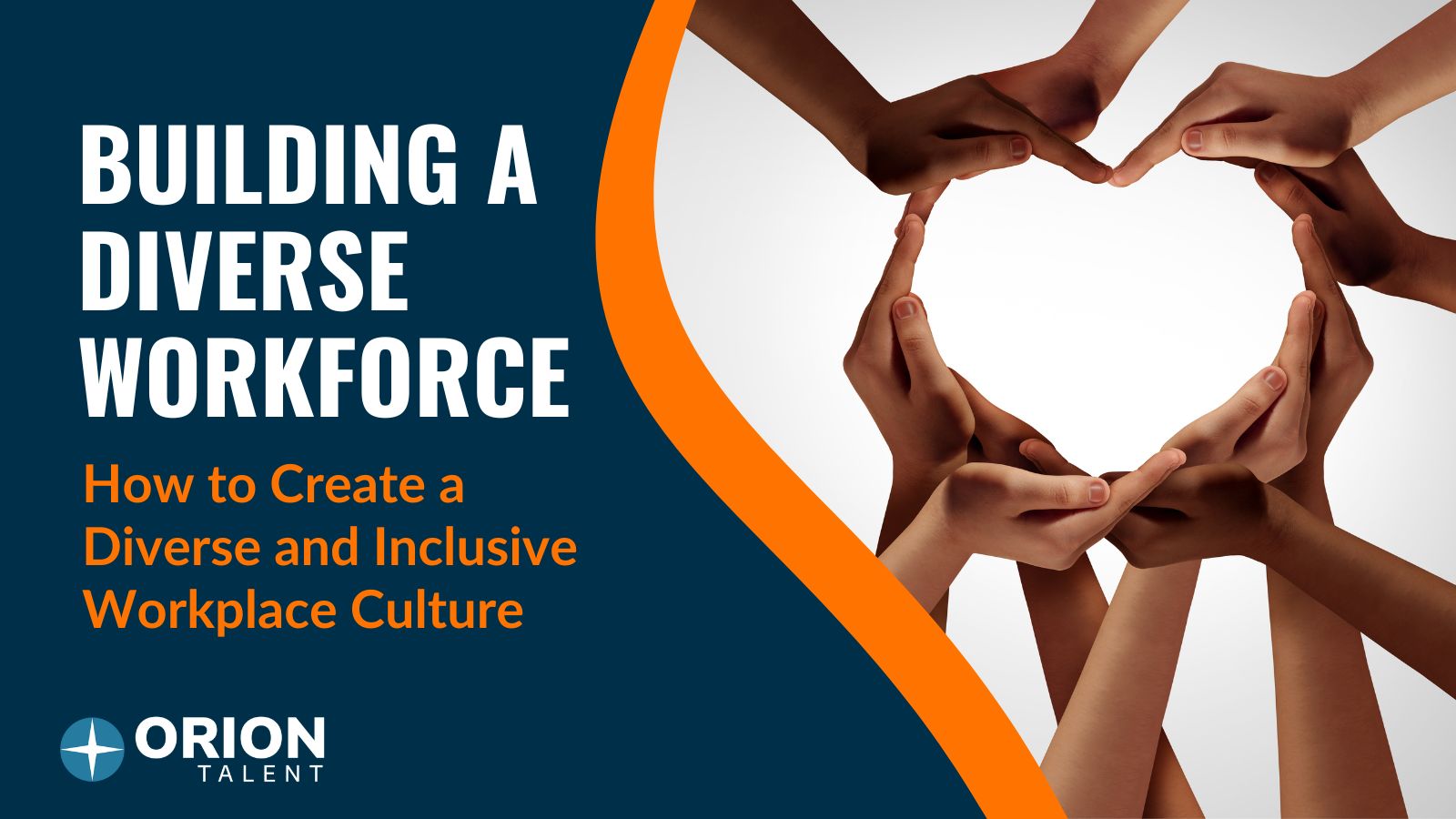
Building a Diverse Workforce: How to Create a Diverse and Inclusive Workplace Culture
Creating a workplace that authentically welcomes all points of view, differences, and experiences leads to an environment where people feel safe being authentic. Here are a few things to keep in mind as you set out to create a more diverse and inclusive workplace.
Archives
- July 2025
- June 2025
- May 2025
- April 2025
- March 2025
- February 2025
- October 2024
- May 2024
- March 2024
- February 2024
- January 2024
- December 2023
- November 2023
- October 2023
- September 2023
- August 2023
- July 2023
- June 2023
- May 2023
- April 2023
- March 2023
- February 2023
- January 2023
- December 2022
- November 2022
- October 2022
- September 2022
- August 2022
- July 2022
- June 2022
- May 2022
- April 2022
- March 2022
- February 2022
- January 2022
- December 2021
- November 2021
- October 2021
- September 2021
- August 2021
- July 2021
- June 2021
- May 2021
- April 2021
- March 2021
- February 2021
- January 2021
- December 2020
- November 2020
- October 2020
- September 2020
- August 2020
- July 2020
- June 2020
- May 2020
- April 2020
- March 2020
- February 2020
- January 2020
- December 2019
- November 2019
- October 2019
- September 2019
- August 2019
- July 2019
- June 2019
- May 2019
- April 2019
- March 2019
- February 2019
- January 2019
- December 2018
- November 2018
- October 2018
- September 2018
- August 2018
- July 2018
- June 2018
- May 2018
- April 2018
- March 2018
- February 2018
- January 2018
- December 2017
- November 2017
- October 2017
- September 2017
- August 2017
- July 2017
- June 2017
- May 2017
- March 2017
- February 2017
- January 2017
 RSS Feed