Hiring top talent is harder than ever. Job roles are evolving faster than job descriptions, and employers are struggling to keep up. Many respond by tightening requirements for degrees or industry experience, thinking this will ensure quality. In reality, these filters often screen out the candidates you need most.
The problem? The best candidates might never apply because outdated job requirements are standing in their way.
The Candidates You Need May Be the Ones You Overlooked
Traditional hiring practices prioritize degrees and years of experience. That may feel like a safe bet, but it often eliminates skilled candidates who gained expertise through alternative paths. Apprenticeships, bootcamps, military service, and hands-on work experience can produce exceptional talent, but only if employers know how to identify it.
Market data confirms this shift. According to Indeed, the percentage of job postings requiring a bachelor’s degree dropped from 20% before the pandemic to 17.6% in late 2024. More companies are realizing that evaluating based on ability, not credentials, delivers better outcomes.
Why a Skills-Based Hiring Strategy Works
Skills-based hiring focuses on what a candidate can do, not just what their resume says. At Orion Talent, we have used this approach for nearly 35 years. Our foundation in military recruiting taught us early on that potential does not always show up on paper.
When you focus on skills, you open the door to more qualified candidates. This leads to shorter hiring timelines, stronger job performance, and improved retention.
What Is Driving the Shift Toward Skills-First Hiring?
Several workforce trends are accelerating the move away from traditional hiring models:
AI Is Reshaping the Nature of Work
Tasks once considered essential are now being handled by AI. Employers need candidates with adaptability and the right practical skills, regardless of how those skills were learned.
Degrees No Longer Guarantee Readiness
In fast-changing fields like technology, a degree may not reflect a candidate’s current capabilities. Employers need talent that can contribute from day one.
Alternative Pathways Are Expanding
Rising education costs and increased access to skill-based learning mean more candidates are building expertise outside of traditional degree programs.
How to Start Hiring Based on Skills
Transitioning to a skills-first approach is achievable and starts with small, deliberate changes:
- Rework job descriptions to focus on competencies and outcomes
- Remove degree requirements unless legally or operationally necessary
- Use assessments to evaluate real-world ability
- Consider candidates from different industries who bring transferable skills
- Align hiring teams on what success in the role actually looks like
Get the Full Guide to Skills-Based Hiring
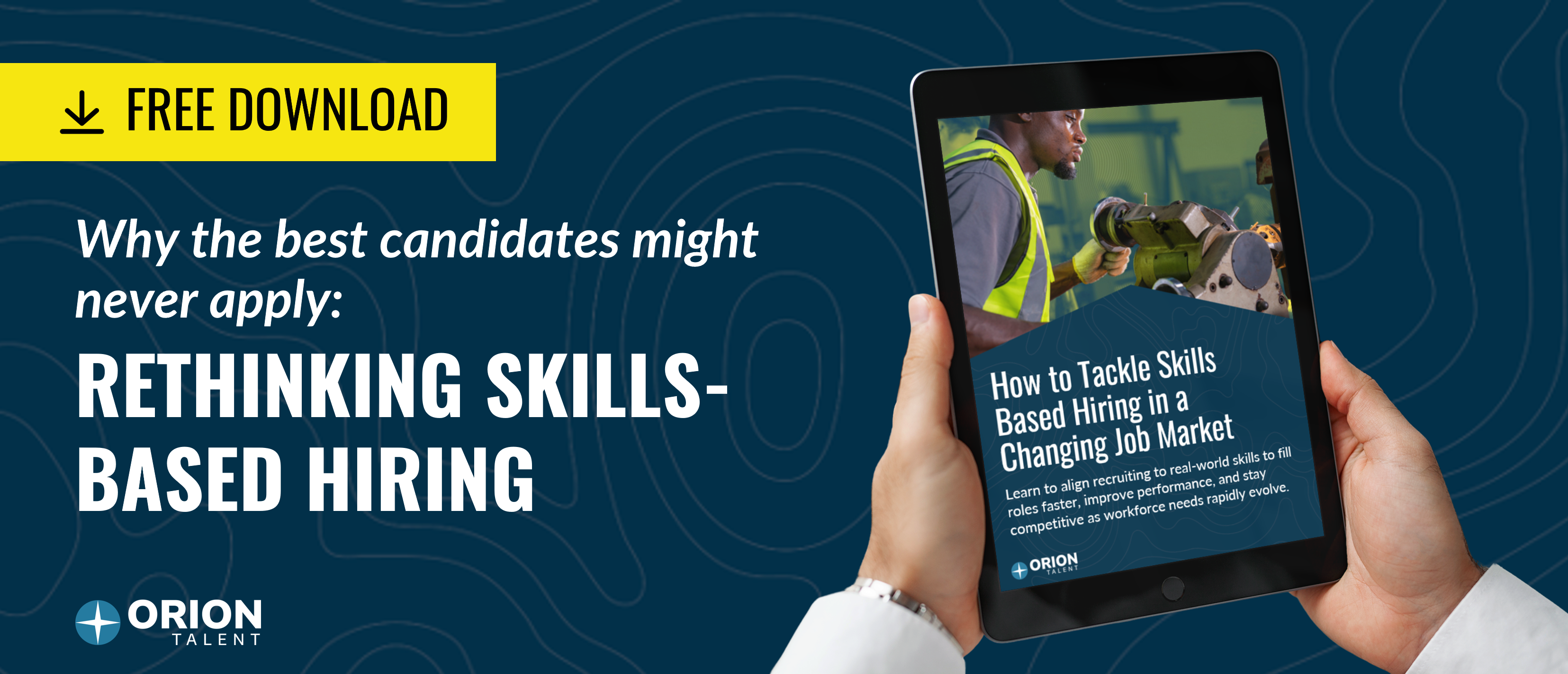
If you are ready to explore a skills-first hiring approach, start with practical steps and proven insights from employers who have already made the shift.
This guide outlines how to evaluate skills, adjust your hiring practices, and unlock high-performing talent that traditional filters might miss.
Download “How to Tackle Skills-Based Hiring in a Changing Job Market”
Archives
- October 2026
- September 2026
- August 2026
- July 2026
- June 2026
- May 2026
- April 2026
- March 2026
- February 2026
- January 2026
- December 2025
- November 2025
- October 2025
- September 2025
- August 2025
- July 2025
- June 2025
- May 2025
- April 2025
- March 2025
- February 2025
- October 2024
- May 2024
- March 2024
- February 2024
- January 2024
- December 2023
- November 2023
- October 2023
- September 2023
- August 2023
- July 2023
- June 2023
- May 2023
- April 2023
- March 2023
- February 2023
- January 2023
 RSS Feed