You have heard the term by now - quiet quitting is igniting many work/life balance conversations and making both employers and employees reflect on what is being expected from today’s workforce. Below you can find out what exactly quiet quitting is, where it came from, and how to inspire your quiet quitters.
What is quiet quitting?
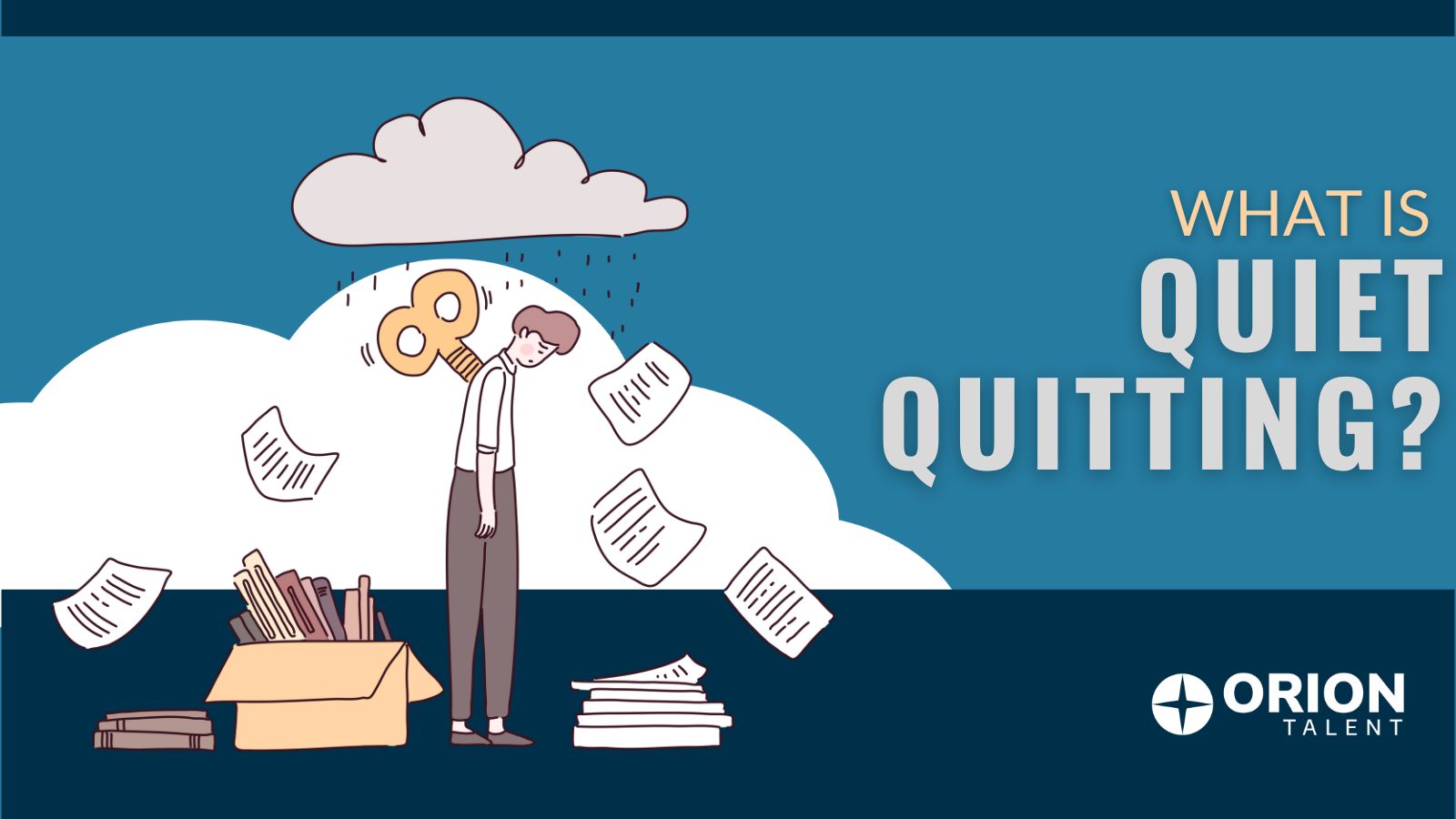
Quiet quitting is when an employee actively decides to only do the bare minimum at work and chooses not to go above and beyond. In fact, quiet quitting is not actually quitting but rather indicative of an emotional separation from work or the establishment of personal boundaries.
Where did quiet quitting come from?
The term quiet quitting is not a new term. Coined in 2009 by economist Mark Boldger, the term did not come into widespread use until July 2022. A viral TikTok video by user @zaidleppelin describing quiet quitting got more than 3 millions views and is currently sitting at 489,700 likes.
What are some examples of quiet quitting?
Examples of quiet quitting according to Forbes include: “reduced productivity, innovation and quality, declining ‘citizenship behaviors’ and overall morale.” Many workers decide to only perform the work for which they are paid and to shut down at the end of day, disengaging from work and carving out clearly defined boundaries. Other quiet quitting examples include:
-
Decrease in initiative;
-
Increased isolation from their team;
-
Performing only to standard; and
-
Attending meetings but not contributing.
Is quiet quitting unique to a single age group like Gen Z, or are other age groups voicing problems as well?
Quiet quitting seemingly originated with Generation Z (born in 1997- 2012) and that is reflected by a recent study, 82% of workers aged 18 - 29 say that doing the minimum required for their job appeals to them. Seen by older generations as their younger colleagues being lazy and self-centered, in reality quiet quitting has no age limits.
In fact, it is often more about a lack of employee engagement or employee experience (EX). Defined by Forbes as “the sum of moments that matter in an employee's daily life in an organization,” a lack of a positive culture can drive employees to disengage or quiet quit.
How should you incentivize employees to go above and beyond in the current job market without risking burnout or unfair expectations?
With the right engagement opportunities, including professional development, employee resource groups, and clearly defined career and salary paths, enhanced engagement could replace quiet quitting as the term du jour at your company. Enhanced engagement is the most powerful way to counter quiet quitting and lets your employees know that their work matters and is appreciated.
Companies that expect their employees to constantly hustle with no clear benefit are losing out on high productivity, increased innovation, and positive employee morale. By considering the ways you can incentivize and motivate your team members, you will have employees who are fulfilled and excel.
Need help with your employee engagement? Orion Talent’s consultative recruiting solutions include expert guidance on building a culture that inspires dedication and drive in your employees.
Archives
- October 2026
- September 2026
- August 2026
- July 2026
- June 2026
- May 2026
- April 2026
- March 2026
- February 2026
- January 2026
- December 2025
- November 2025
- October 2025
- September 2025
- August 2025
- July 2025
- June 2025
- May 2025
- April 2025
- March 2025
- February 2025
- October 2024
- May 2024
- March 2024
- February 2024
- January 2024
- December 2023
- November 2023
- October 2023
- September 2023
- August 2023
- July 2023
- June 2023
- May 2023
- April 2023
- March 2023
- February 2023
- January 2023
 RSS Feed