For decades, organizations have relied heavily on experience as one of the primary indicators of future success. It is a logical approach. Candidates who have performed similar work before often require less onboarding, possess industry knowledge, and can begin contributing quickly. Experience reduces uncertainty, making hiring decisions feel more predictable.
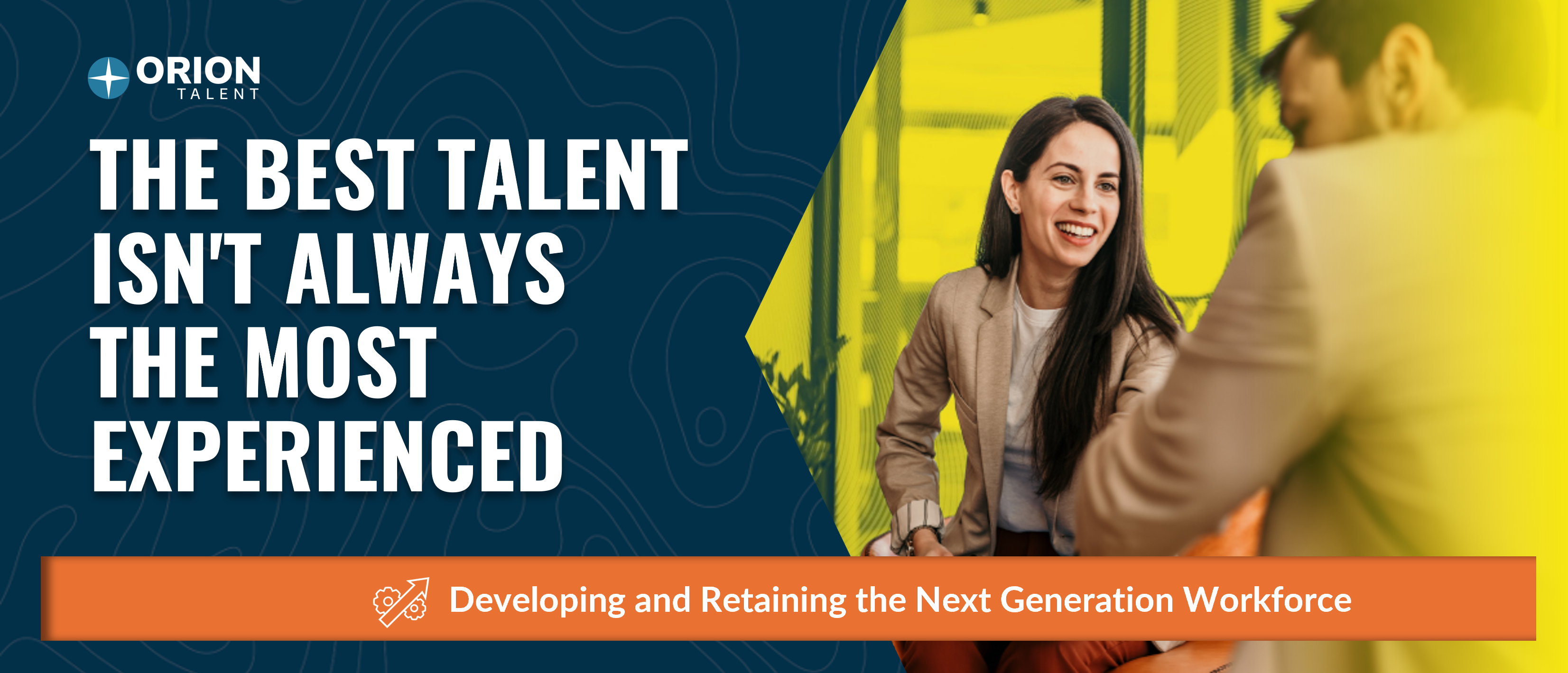
Experience will continue to play an important role in hiring. However, the pace of change across today's workforce raises an important question: Is previous experience always the best predictor of future performance?
As organizations navigate labor shortages, evolving technologies, and changing business models, many are discovering that the answer is more nuanced than it once was.
The capabilities that will define success over the next decade are not limited to what individuals already know. Increasingly, they include how effectively people learn, adapt, and grow as their roles continue to evolve.
The Nature of Work Is Changing
Few occupations remain static for long. Digital transformation, artificial intelligence, automation, and changing customer expectations continue to reshape how work is performed across nearly every industry. Skills that were considered leading-edge only a few years ago may already require updating, while entirely new capabilities continue to emerge.
In this environment, hiring exclusively for previous experience may unintentionally favor familiarity over adaptability.
This is not to suggest that experience has become less valuable. Rather, it suggests that experience should be evaluated alongside other characteristics that indicate an individual's ability to succeed in a rapidly changing workplace.
Organizations increasingly need employees who are comfortable navigating ambiguity, acquiring new knowledge, and applying that learning in practical ways. These qualities often prove just as important as the number of years someone has spent in a particular role.
Looking Beyond What Candidates Have Already Done
Every hiring decision is ultimately an investment in future performance.
Resumes and interviews naturally focus on a candidate's past accomplishments because they provide tangible evidence of capability. At the same time, employers are making assumptions about what that individual will contribute over the months and years ahead.
Previous experience demonstrates what someone has done under a particular set of circumstances. Potential reflects what they may be capable of accomplishing as those circumstances change.
While potential can be more difficult to evaluate, organizations can often identify it through characteristics such as intellectual curiosity, learning agility, resilience, problem-solving ability, initiative, and adaptability. These attributes help employees continue developing long after the hiring process has ended.
As business needs evolve more rapidly, these qualities become increasingly valuable.
Developing Talent Is a Long-Term Workforce Strategy
Organizations facing talent shortages frequently focus their attention on attracting experienced professionals from competitors or adjacent industries. While external hiring will always remain an important component of workforce planning, it is rarely sufficient on its own.
Future-ready organizations recognize that talent development is equally important.
Hiring early-career professionals and individuals with strong potential creates opportunities to build organizational capability over time. These employees often bring fresh perspectives, current technical knowledge, and a willingness to learn while developing expertise within the organization's own culture and operating environment.
This approach requires patience and intentional investment, but it also strengthens long-term workforce resilience by reducing dependence on an increasingly competitive external labor market.
Rather than viewing entry-level hiring as a short-term staffing decision, organizations should view it as an investment in the future strength of their workforce.
Career Growth Strengthens Retention
Identifying high-potential employees is only the beginning.
Organizations that consistently retain top talent understand that professional growth cannot end after onboarding. Employees are more likely to remain engaged when they see opportunities to expand their skills, assume greater responsibility, and build meaningful careers.
Career pathways, mentorship, rotational assignments, continuing education, and leadership development all contribute to a workplace culture that encourages continuous learning.
This investment benefits both employees and employers. Individuals gain opportunities for growth while organizations develop stronger internal talent pipelines capable of filling future leadership and technical roles.
Over time, this approach creates greater organizational resilience than relying primarily on external hiring.
Building the Workforce of the Future
The discussion should not be framed as a choice between experience and potential, as organizations need both.
Experienced professionals provide expertise, institutional knowledge, and leadership that remain essential to business success. At the same time, organizations that focus exclusively on previous experience risk overlooking individuals who possess the capacity to become exceptional contributors as business needs continue evolving.
Building the workforce of the future requires balancing immediate business needs with long-term workforce development. By evaluating candidates not only for what they have accomplished, but also for what they are capable of accomplishing, organizations can build more adaptable, resilient, and sustainable talent pipelines.
In the next article, we'll explore how artificial intelligence is changing this equation by helping early-career employees contribute more quickly and creating new opportunities for organizations to accelerate workforce development.
Archives
- October 2026
- September 2026
- August 2026
- July 2026
- June 2026
- May 2026
- April 2026
- March 2026
- February 2026
- January 2026
- December 2025
- November 2025
- October 2025
- September 2025
- August 2025
- July 2025
- June 2025
- May 2025
- April 2025
- March 2025
- February 2025
- October 2024
- May 2024
- March 2024
- February 2024
- January 2024
- December 2023
- November 2023
- October 2023
- September 2023
- August 2023
- July 2023
- June 2023
- May 2023
- April 2023
- March 2023
- February 2023
- January 2023
 RSS Feed