
From advanced manufacturing and energy to semiconductors, data centers, infrastructure, and defense, America is investing heavily in the industries that will shape its future. New facilities are being built, production capacity is expanding, and billions of dollars are being directed toward strengthening domestic capabilities across critical sectors.
Yet despite this growth, one challenge continues to emerge across industries: workforce availability.
The issue is no longer whether opportunities exist. The challenge is whether organizations can build and sustain the workforce needed to support them.
Demand for Skilled Talent Continues to Outpace Supply
Across many critical industries, employers are competing for a limited pool of skilled talent.
Retirements continue to reduce the number of experienced workers available to fill leadership and technical positions. At the same time, competition for younger workers remains intense, particularly for occupations requiring specialized training or technical expertise.
As a result, organizations are facing increasing pressure to fill roles ranging from skilled trades and technicians to supervisors, engineers, and operations leaders.
For many employers, workforce constraints have become a business constraint.
The Talent Challenge Is Bigger Than Recruiting
While recruiting remains an important part of the solution, workforce challenges cannot be solved through sourcing alone.
Organizations must also consider how talent is developed, retained, and advanced over time.
Employers that rely exclusively on traditional hiring requirements or narrow candidate profiles often find themselves competing for the same limited pool of workers as everyone else.
Building a sustainable workforce requires a broader strategy—one that considers skills, potential, training, career development, and long-term workforce planning.
Critical Industries Must Expand Their Talent Pools
Many organizations continue to search for candidates who have performed the exact same job in the exact same industry.
While understandable, this approach can unnecessarily limit access to talent.
As workforce shortages persist, employers are increasingly finding success by expanding their talent pools to include candidates from adjacent industries, military backgrounds, apprenticeship programs, technical schools, and other nontraditional pathways.
These candidates may not possess every desired qualification on day one, but they often bring the foundational skills, aptitude, and adaptability needed to succeed.
The organizations that recognize potential—not just direct experience—will be better positioned to meet future workforce demands.
Workforce Strategy Is Becoming a Competitive Advantage
Historically, workforce planning was often viewed as a human resources function. Today, it is increasingly becoming a business imperative.
Organizations that can attract, develop, and retain skilled talent will be better equipped to execute growth plans, meet customer demands, and maintain operational performance.
Those that cannot may find workforce limitations slowing expansion efforts, delaying projects, and increasing operational risk.
In many industries, workforce strategy is becoming as important as capital investment, technology adoption, and operational excellence.
Looking Ahead
As America approaches its 250th anniversary, the conversation about economic competitiveness increasingly comes back to one question: who will do the work?
The industries that power America's future will require more than investment, infrastructure, and innovation. They will require people.
Organizations that rethink how they identify, develop, and access talent will be better positioned to meet the workforce demands of the decades ahead.
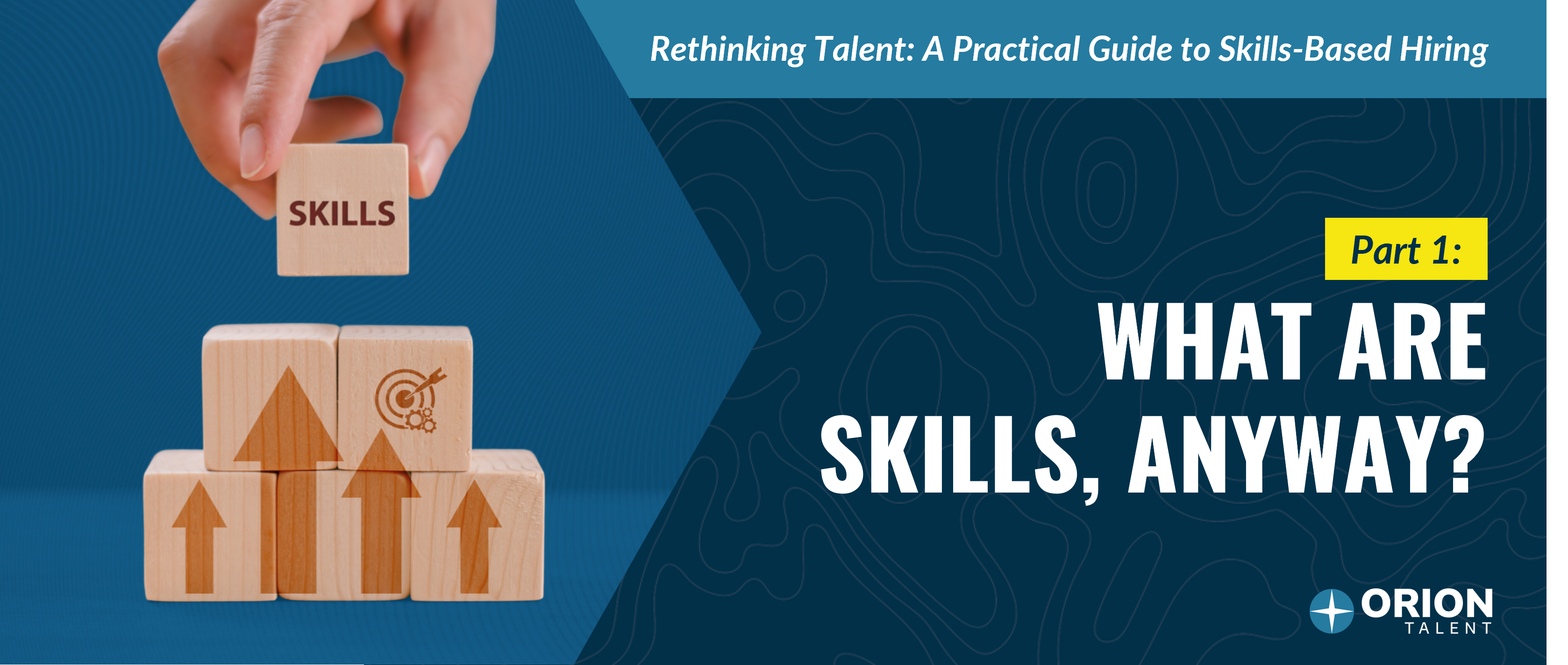
In our next article, we'll explore one of the most promising ways employers can expand access to talent: skills-first hiring.
Archives
- October 2026
- September 2026
- August 2026
- July 2026
- June 2026
- May 2026
- April 2026
- March 2026
- February 2026
- January 2026
- December 2025
- November 2025
- October 2025
- September 2025
- August 2025
- July 2025
- June 2025
- May 2025
- April 2025
- March 2025
- February 2025
- October 2024
- May 2024
- March 2024
- February 2024
- January 2024
- December 2023
- November 2023
- October 2023
- September 2023
- August 2023
- July 2023
- June 2023
- May 2023
- April 2023
- March 2023
- February 2023
- January 2023
 RSS Feed