Recruitment Process Outsourcing has traditionally been evaluated through a familiar set of measures: cost, speed and quality. Over time, scalability became another important part of the value proposition.
Those capabilities still matter. But the challenges facing talent acquisition leaders have become broader and more complex.
Hiring demand can shift quickly. Critical skills are becoming harder to find. Artificial intelligence is changing jobs as well as the recruiting processes used to fill them. At the same time, TA teams are under pressure to operate efficiently, improve the candidate experience and demonstrate a clearer connection between recruiting and business performance.
In this environment, additional recruiting capacity alone is not enough. As Talent Acquisition teams navigate growing complexity with limited internal resources, RPO matters more than ever.
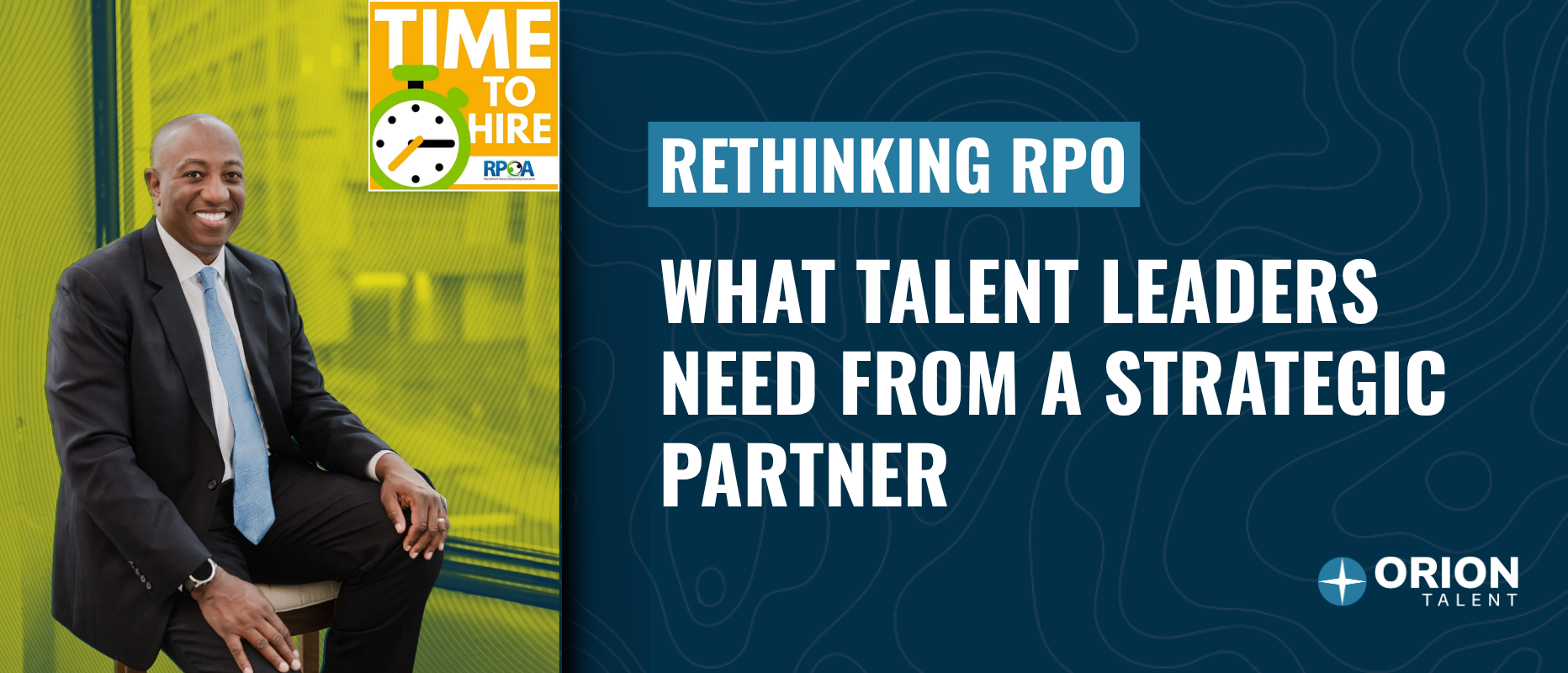
Orion Talent CEO Greg Summers recently joined Recruitment Process Outsourcing Association Executive Director Lamees Abourahma on the Time to Hire podcast to discuss how RPO relationships are evolving and what organizations should expect from a modern talent partner.
RPO Success Is Being Redefined
The 2026 RPO Buyer Trends Study found that nearly seven in 10 employers report a positive return on investment from their RPO partnerships, while 61 percent say their hiring metrics have improved.
Those results demonstrate the value RPO can deliver. They also raise an important question: What should talent leaders include when they evaluate that return?
Time to fill remains important, but it does not capture the full business impact of an effective RPO relationship.
As Greg explained during the conversation, organizations should also consider whether the partnership:
- Gives hiring managers valuable time back and creates stronger alignment between hiring teams and the business
- Carries more of the recruiting process effectively
- Demonstrates a clear understanding of the roles and company culture
- Improves the candidate experience
- Helps new employees become productive more quickly
- Aligns talent acquisition activity with broader business priorities
These outcomes move the RPO conversation beyond recruiting activity and toward measurable business value.
Business Problems Are Often Talent Problems
Organizations do not recruit simply to complete requisitions. They hire people because the business needs to grow, operate, innovate or deliver. When the right talent is not available, the consequences extend well beyond HR.
Greg pointed to the digital infrastructure market, where organizations need commissioning professionals, electrical and HVAC technicians, and other skilled workers to bring new facilities online. Without those people, infrastructure growth can stall.
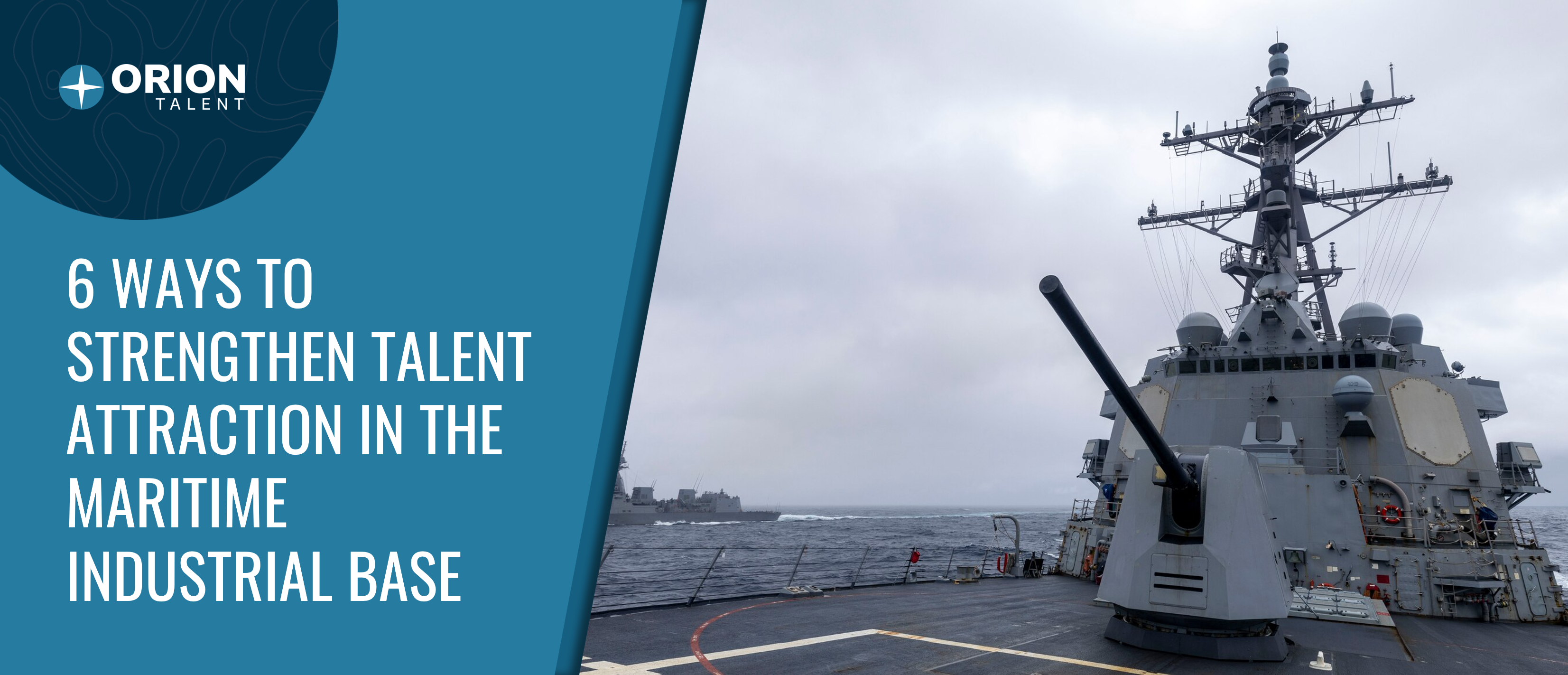
Similar challenges exist in aerospace and shipbuilding. Employers may struggle to find enough workers near existing facilities, requiring a broader strategy that could include relocating talent or establishing operations in talent-rich markets.
These are not simply recruiting challenges. They are business challenges, which is why workforce strategy has become a competitive imperative. Addressing them requires workforce planning, market intelligence and a clear understanding of where relevant skills exist.
A strategic RPO partner should help the organization answer those questions, not simply wait for the next group of requisitions.
From Transactional to Strategic to Transformational
RPO relationships should mature and strengthen over time.
- A transactional relationship focuses primarily on execution. The provider fills positions, manages defined recruiting activities and reports on hiring metrics.
- A strategic relationship goes a bit further. The provider participates in business reviews, understands upcoming workforce requirements and helps the organization plan how to meet them.
- A transformational relationship turns that strategy into action. The partner works with business and talent leaders to redesign processes, introduce new capabilities, implement technology and secure support for meaningful change. This integrated approach increasingly resembles workforce orchestration, bringing together business priorities, workforce planning, talent intelligence, recruiting resources, and technology, all within a coordinated strategy.
That distinction is becoming particularly important as organizations determine how AI should fit into talent acquisition. Leaders are asking where the technology should be used, which workflows should change, how people and AI should work together, and what governance is required.
A strategic partner can help identify the direction. A transformational partner helps the organization move forward.
AI Should Augment Recruiting Expertise
AI is creating new opportunities throughout talent acquisition while redefining the skills organizations need across their workforces. Within recruiting, AI tech can analyze large data sets, identify transferable skills, support initial screening and help recruiters reach candidates who might otherwise be missed.
At Orion Talent, for example, the voice- and video-enabled agent Juliet conducts initial screens for job seekers who apply or register through Orion’s website. This allows the organization to acknowledge and learn more about candidates it may not previously have had the capacity to reach.
But the technology does not operate independently of recruiters. It surfaces information that helps recruiters focus their time, apply their expertise and engage candidates more effectively.
That balance is critical, because recruiting decisions can be life changing. Candidates may be moving to a new company, relocating their families or, in the case of military professionals, entering the civilian workforce after years of service. They need conversations with people who understand the organization, its culture, and the personal significance of the decision.
Technology can create efficiency and intelligence, but it cannot replace the judgment, empathy and connection strong recruiters bring to those moments.
The best RPO partners will help organizations apply AI thoughtfully, with a clear understanding of both what the technology can do and where human expertise remains essential.
What Should Talent Leaders Expect from an RPO Partner?
As RPO evolves, talent leaders should expect more than efficient recruiting execution. A strategic partner should provide:
- Alignment with business and workforce priorities
The provider should understand what the organization is trying to accomplish and connect recruiting activity to those objectives
- Workforce and talent intelligence
The partner should help the organization understand where talent is available, which skills are transferable and how market conditions may affect workforce plans.
- Flexibility as hiring needs change
The solution should adapt to changing volumes, priorities and business conditions.
- Specialized expertise
The provider should bring meaningful knowledge of the relevant industry, labor market, talent population or recruiting challenge.
- Visibility and transparency
Talent leaders should have clear insight into processes, performance, challenges and opportunities for improvement.
- A thoughtful approach to technology and AI
The provider should understand how technology can improve recruiting while recognizing the need for governance, fairness and human oversight.
- A commitment to candidates and hiring managers
The partnership should make the recruiting experience better for the people making hiring decisions and the people making career decisions.
Building a More Adaptable Talent Acquisition Function
The question for talent leaders is no longer simply, “Can an RPO provider fill our open roles?”
The more important question is, “Can this partner help us solve the workforce challenges affecting our business?”
The right RPO partner can provide recruiting capacity when it is needed, but its greater value comes from the combination of expertise, intelligence, flexibility, technology and human judgment it brings to the relationship.
Listen to Greg’s full conversation on the RPO Association’s Time to Hire podcast to hear more about the future of RPO partnerships, the expanding definition of ROI and the role of recruiters in an AI-enabled world.
As workforce needs continue to evolve, organizations will need partners that can do more than execute the recruiting process. They will need partners that can help them determine what comes next and turn that strategy into action.
If you’d like to learn more about Orion’s RPO solutions, please start a conversation today.
Archives
- October 2026
- September 2026
- August 2026
- July 2026
- June 2026
- May 2026
- April 2026
- March 2026
- February 2026
- January 2026
- December 2025
- November 2025
- October 2025
- September 2025
- August 2025
- July 2025
- June 2025
- May 2025
- April 2025
- March 2025
- February 2025
- October 2024
- May 2024
- March 2024
- February 2024
- January 2024
- December 2023
- November 2023
- October 2023
- September 2023
- August 2023
- July 2023
- June 2023
- May 2023
- April 2023
- March 2023
- February 2023
- January 2023
 RSS Feed