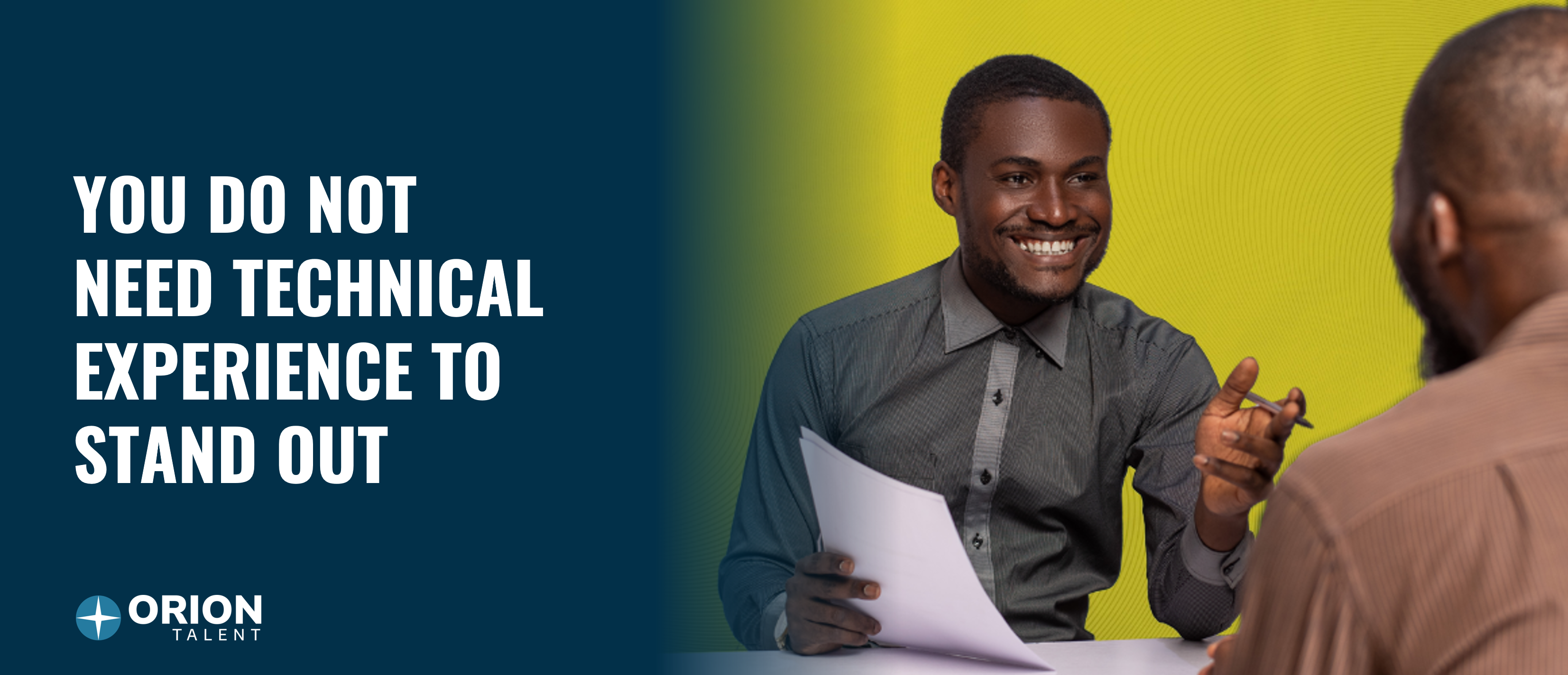
Many veterans hesitate to pursue new career opportunities because they believe they need technical experience, specific certifications, or industry credentials before they can be considered. This belief keeps talented candidates from exploring roles where they could excel and grow quickly.
The truth is that most small and mid-sized employers are not only looking for technical skills. They are looking for people who can learn fast, communicate clearly, support their teams, and show up with consistency. These strengths are common across the military, and they are exactly what many civilian employers struggle to find.
Technical skills help, but they are not the only path to success. What often matters more is your ability to contribute, solve problems, and support the work that needs to get done.
Your Strengths Matter More Than You Think
Veterans bring qualities that are valuable in almost every civilian workplace. Employers consistently say that they need people who take ownership, adapt quickly, and work well with others. These traits are not tied to a specific certification or equipment type. They come from years of experience leading teams, managing tasks under pressure, and staying accountable to a mission.
When employers see these qualities, they see potential. They see someone who can grow with the job, support operations, and strengthen the team. They also see reliability, which is one of the most important predictors of long-term success.
Most Roles Do Not Require Specialized Training to Get Started
Many of the roles offered by small and mid-sized employers are ideal for veterans who want to build civilian experience without needing a technical background. These include opportunities in operations, logistics, customer support, production support, team leadership, and quality. You do not need to be an engineer or a technician to succeed in these environments. What you need is the willingness to learn and the ability to communicate and collaborate.
Once you are in the role, employers can provide training, mentorship, and skill development. Many small companies prefer to train the right person rather than search for a perfect match on paper. They value fit, commitment, and work ethic.
Your Ability to Learn Is a Competitive Advantage
One of the biggest strengths veterans bring is the ability to learn quickly. In the military, you are constantly adapting to new systems, environments, and expectations. Employers notice this. They know that once you understand the work, you will perform at a high level.
This ability to learn often matters more than direct technical experience. A motivated employee with strong learning agility can outperform a candidate who checks every technical box but lacks ownership or discipline.
You Can Build Skills Over Time
Many veterans assume they need to earn certifications before applying. In reality, certifications are often most valuable once you have civilian experience and know which direction you want to pursue. Starting with a strong employer and building skills through hands-on work can be a more effective path than pursuing training without context.
Small employers are often willing to support training once you are part of the team. They want their employees to grow because it strengthens the business. This means you can build technical or industry-specific skills over time, in a way that supports your goals and career path.
Do Not Hold Yourself Back Before Employers Even Meet You
If you are interested in a role and believe you can succeed with training, explore it. Employers do not expect you to know everything on day one. They expect you to bring the qualities that make you effective: initiative, communication, teamwork, and the ability to stay adaptable.
These strengths already set you apart.
Explore What You Can Do Next
Muster was created to help non-technical and light-technical military talent find opportunities where these strengths matter. You do not need a technical background to stand out. You need a chance to show what you can bring.
If you are open to exploring the next step in your career, Muster can help you connect with employers who value your experience and your potential.
Join the Muster Talent Community and discover roles that fit your strengths.
Archives
- October 2026
- September 2026
- August 2026
- July 2026
- June 2026
- May 2026
- April 2026
- March 2026
- February 2026
- January 2026
- December 2025
- November 2025
- October 2025
- September 2025
- August 2025
- July 2025
- June 2025
- May 2025
- April 2025
- March 2025
- February 2025
- October 2024
- May 2024
- March 2024
- February 2024
- January 2024
- December 2023
- November 2023
- October 2023
- September 2023
- August 2023
- July 2023
- June 2023
- May 2023
- April 2023
- March 2023
- February 2023
- January 2023
 RSS Feed