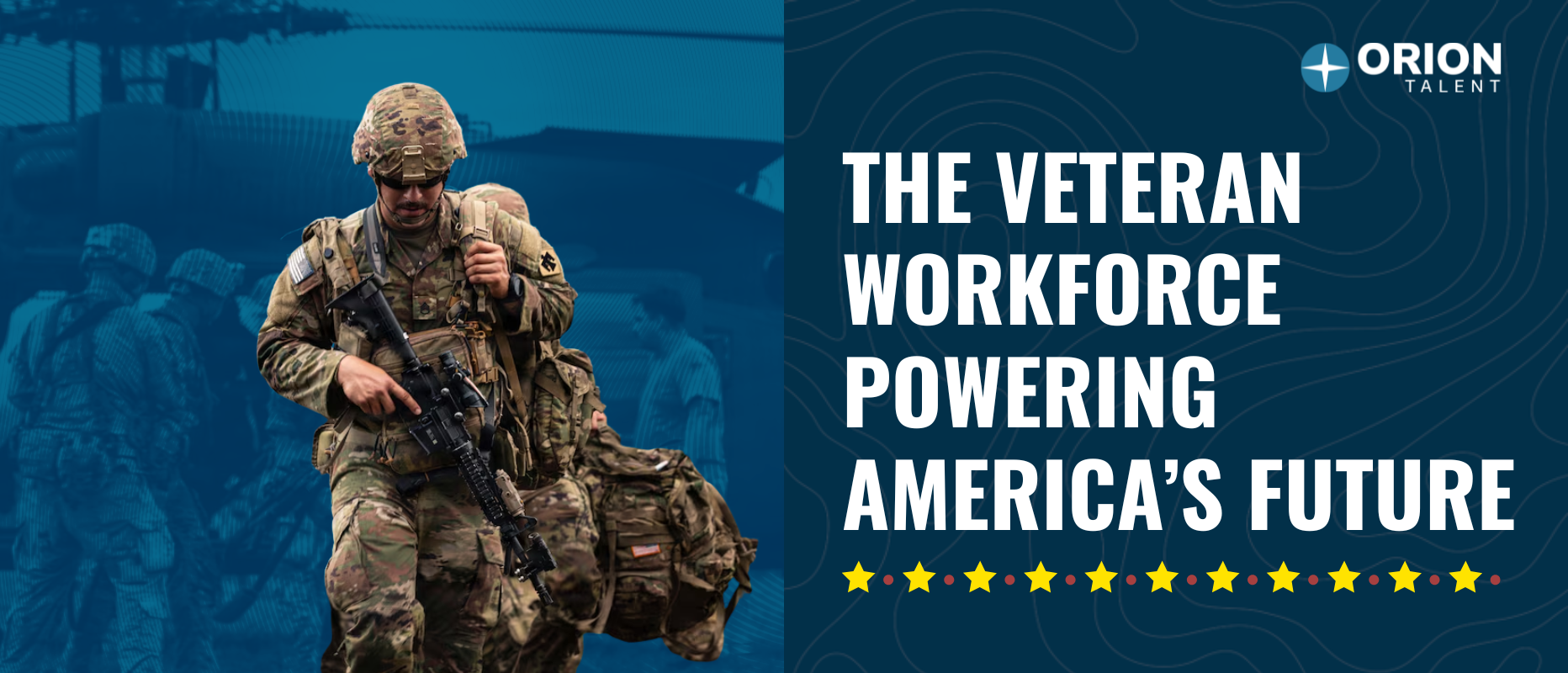
Every Veterans Day, Americans recognize the men and women who have served in our Armed Forces. We honor their commitment, sacrifices, and contributions to our country. But the impact of military service extends well beyond the years spent in uniform.
Across America, veterans are contributing to businesses and industries in meaningful ways. They're helping organizations adopt new technologies, manage complex operations, strengthen teams, and solve critical workforce challenges. Their experience represents an important asset as employers prepare for the demands of an evolving economy.
This Veterans Day, we recognize not only those who have served, but also the valuable contributions veterans continue to make in the civilian workforce.
Military Experience in the Civilian Workforce
Veterans bring a broad range of skills and experiences developed through military service. While their backgrounds vary significantly by occupation, branch, and responsibilities, many have worked in environments requiring technical expertise, operational precision, adaptability, and collaboration.
These capabilities have applications across industries.
A Navy nuclear technician may bring relevant experience to power generation or critical facilities operations. An Army logistics specialist may transition into supply chain management. An Air Force electronics technician may find opportunities in advanced manufacturing or semiconductor production.
These examples illustrate how military-developed skills can contribute to industries that are increasingly important to America's economic future.
As organizations invest in advanced manufacturing, digital infrastructure, and emerging technologies, the ability to recognize transferable skills becomes increasingly valuable.
Recognizing Skills Beyond Military Job Titles
Although veterans bring relevant experience, translating that experience into civilian career opportunities isn't always straightforward.
Military occupational specialties don't necessarily correspond with civilian job titles. A candidate may have years of experience maintaining complex equipment, managing teams, or coordinating sophisticated operations without holding the specific credentials or industry background listed in a job description.
Employers can strengthen their recruiting efforts by evaluating the capabilities required for a position and considering how those skills may have been developed through military service.
This includes identifying transferable technical expertise, distinguishing essential qualifications from preferred experience, and helping hiring managers better understand military backgrounds.
These practices can expand access to military talent while maintaining the standards and qualifications necessary for each role.
Creating Opportunities Beyond Veterans Day
Recognizing the contributions of veterans should extend beyond a single day of appreciation.
For employers, that means considering how military talent fits into long-term workforce planning and whether existing recruiting strategies effectively reach transitioning service members and veterans.
Military-focused outreach, accessible career information, and a greater emphasis on transferable skills can help connect qualified candidates with opportunities they may not have previously considered.
For more than 35 years, Orion Talent has helped bridge the gap between military experience and civilian career opportunities, connecting employers with individuals whose capabilities can make a meaningful impact.
As we observe Veterans Day, we thank the men and women who have served our country and recognize the many ways they continue to contribute to our businesses, communities, and economy.
Their military service is an important part of their story, and their contributions to America's workforce continue to shape its future.
Connect with Military Talent
Archives
- November 2026
- October 2026
- September 2026
- August 2026
- July 2026
- June 2026
- May 2026
- April 2026
- March 2026
- February 2026
- January 2026
- December 2025
- November 2025
- October 2025
- September 2025
- August 2025
- July 2025
- June 2025
- May 2025
- April 2025
- March 2025
- February 2025
- October 2024
- May 2024
- March 2024
- February 2024
- January 2024
- December 2023
- November 2023
- October 2023
- September 2023
- August 2023
- July 2023
- June 2023
- May 2023
- April 2023
- March 2023
- February 2023
- January 2023
 RSS Feed